Emergency jump starters available on the market fall into three main categories: traditional lead-acid types, mainstream lithium-ion types, and the emerging sodium-lithium types. Each has distinct characteristics. Based on real-world usage scenarios, this article will help you pick the most suitable one for your vehicle.
1. What Are the Differences Among the Three Types of Emergency Jump Starters?
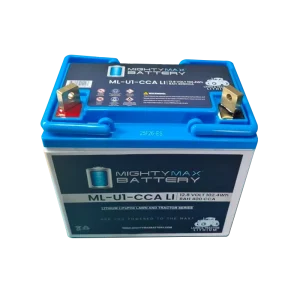
Traditional Lead-Acid Jump StartersIt is the earliest form of jump starter, essentially a portable lead-acid battery equipped with alligator clamps. Its advantages lie in mature technology and relatively low prices; some models even integrate additional functions such as air compressors. However, it also has prominent drawbacks: bulky and heavy (usually weighing 10 to 20 kilograms), high maintenance requirements (needing a monthly recharge), short service life (only about 2 to 3 years), severe performance degradation at low temperatures, and the awkward problem of relying on weak power to rescue a fully drained vehicle battery.
Mainstream Lithium-ion Emergency Jump StartersThey dominate the current market, mainly adopting lithium iron phosphate or ternary lithium cells. Their biggest merit is ultra-light weight (under 1 kg), strong discharge capacity with instantaneous current ranging from 1,000 to 4,000 amps. Most models come with extra features including USB charging ports and LED lights, making them ideal for daily storage in vehicles. Nevertheless, low-quality cells carry a risk of thermal runaway under high temperatures or impact, and long-term full or depleted charge status will accelerate battery aging.
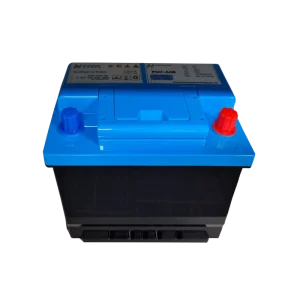
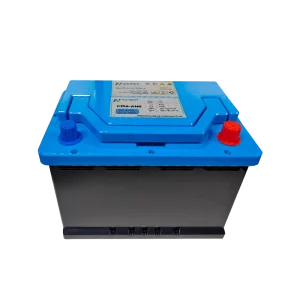
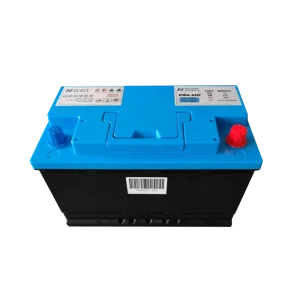
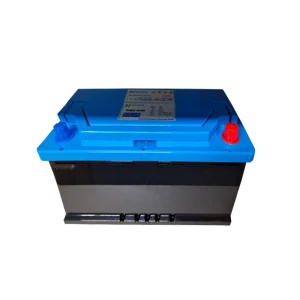
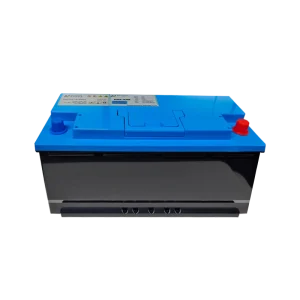
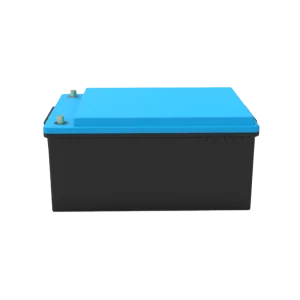
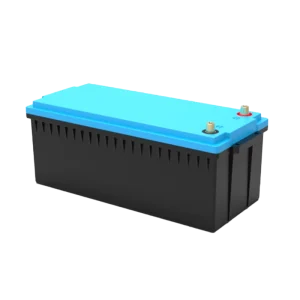
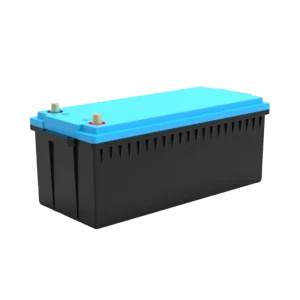
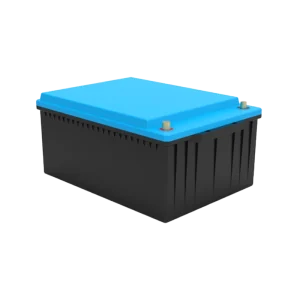
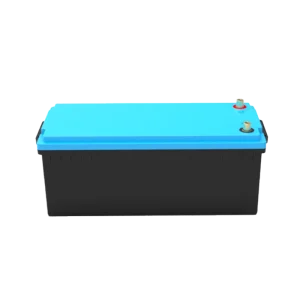
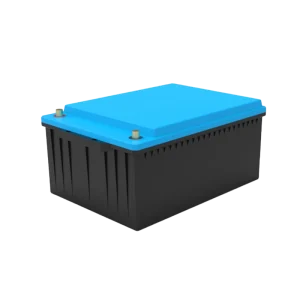
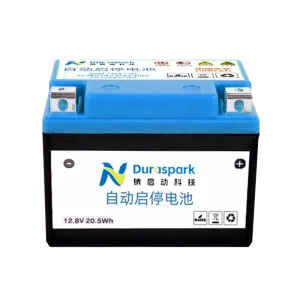
New generation sodium lithium starting batteryIt is the latest solution that combines the technical strengths of sodium-ion batteries and lithium batteries, representing a safer and more durable technical route. Taking products from Shenzhen Nastart Technology Co., Ltd. as an example, sodium-lithium hybrid jump starter batteries have achieved all-round breakthroughs in safety, low-temperature performance and cycle life.
2. Sodium-Lithium Hybrid Jump Starter Batteries: Why They Are the Better Choice
Compared with traditional lead-acid and mainstream lithium-ion jump starters, sodium-lithium hybrid batteries deliver outstanding performance in the following core dimensions:
Intrinsic safety eliminates thermal runaway at the source. Sodium-lithium hybrid cells feature extremely stable chemical properties. They are unlikely to catch fire or explode even under extreme test conditions such as nail penetration, overcharging and short-circuiting. Paired with an intelligent Battery Management System (BMS) that monitors the status of each cell in real time, the unit effectively prevents overcharging, over-discharging and overheating, fundamentally eliminating the safety hazards found in conventional batteries.
Excellent Low-Temperature Starting Performance, Ideal for Frigid Regions In extremely cold environments of -20°C or even lower, the discharge capacity of traditional lead-acid batteries and some lithium batteries will drop off a cliff. However, sodium-lithium starting batteries can still maintain most of their capacity and instantly output a high current of more than 1,600A, easily starting large-displacement vehicles such as diesel trucks and large SUVs.
High-rate discharge, covering all scenes with one machine. Whether it is a 1.6L small-displacement car or a 6.0L or above heavy-duty diesel vehicle, sodium-lithium starting batteries can provide sufficient starting current. Taking the products of Sodium Start Technology as an example, the instantaneous current of models for trucks can reach 1600A to 3200A, and models for cars can also reach 700A to 1600A, truly realizing "one machine for multiple purposes".
Ultra-long cycle life and lower overall cost of use. The cycle life of sodium-lithium starting batteries can reach thousands of times, far exceeding the hundreds of times of traditional lead-acid batteries. Although the initial purchase cost is slightly higher than that of lead-acid, based on the service life, the annual usage cost is lower, and the maintenance is extremely simple - the self-discharge rate is extremely low, and it is usually enough to charge it once every six months.
3. How to choose a suitable emergency power supply for your car?
When choosing an emergency starting power supply, you should not just look at price or appearance. The following five dimensions are crucial:
First, match the current to the engine displacement. This is the core hard indicator. For small-displacement gasoline vehicles of 1.6L and below, it is recommended to choose products with an instantaneous current of 400A-600A; for 2.0L-3.0L medium-displacement gasoline vehicles, it is recommended to choose 800A-1000A; for 3.0L-5.0L SUVs or light buses, it is recommended to choose 1000A-1500A; for diesel vehicles, large trucks or construction machinery, you must choose products with an instantaneous current of 1500A or above - this is the advantage area of sodium-lithium starting batteries.
Second, put safety performance first. Be sure to choose products with reverse polarity protection, overcharge protection, over-discharge protection, anti-short circuit, anti-spark and other functions. The stability of the battery core is also critical. The safety of the sodium-lithium system and the lithium iron phosphate system is far better than that of inferior ternary lithium batteries.
Third, assess the climate conditions in your area. If you're in the colder regions of the north, low-temperature performance is a deciding factor. With its excellent low-temperature characteristics, sodium-lithium starting batteries can maintain most of their capacity in a -20°C environment, making them a reliable choice in extremely cold areas.
Fourth, consider additional functionality and portability. Modern emergency power supplies often integrate USB/Type-C fast charging interfaces, which can provide emergency charging for mobile phones, tablets and other devices; LED lighting has SOS and strobe modes to cope with night or emergency situations. Sodium-lithium starting batteries can still provide powerful starting capabilities while remaining lightweight and compact.
Fifth, pay attention to service life and maintenance costs. Lead-acid batteries need to be recharged every 1-2 months and have a lifespan of only 2-3 years; while sodium-lithium and lithium batteries have extremely low self-discharge rates and can usually be charged once every six months, with a cycle life of more than 2,000 times and lower long-term use costs.
4. Maintenance Guide: Make emergency power supply more durable
No matter which type you choose, proper maintenance can significantly extend its lifespan.
For sodium lithium/lithium battery emergency power supply, it is recommended to charge it as you use it, and fully charge it as soon as possible after use to avoid long-term low battery status; do not leave the device in a car exposed to the sun for a long time in summer; check the battery level every 3 months, and recharge it in time when it is less than 50%; keep the metal part of the battery clamp clean and ensure good contact.
For lead acid emergency power supply, you need to charge it once a month to prevent power loss; keep the device upright to avoid tilting and causing leakage; some maintainable models need to be checked regularly and replenished with distilled water.
5. Conclusion
Choosing a suitable emergency starting power supply is essentially choosing "peace of mind" for your trip. If you are pursuing extreme portability, mainstream lithium batteries are a good choice; if you only have garage backup and a limited budget, traditional lead-acid batteries can also meet your basic needs.
But if you are in a severely cold area, or drive a diesel truck or large SUV, thenNew generation sodium lithium starting batteryWith its intrinsic safety, super low-temperature performance and high-rate discharge capability, it is undoubtedly an ideal choice for the future.
Shenzhen Na-Start Technology Co., Ltd. is deeply involved in the research and development and manufacturing of sodium-lithium starter batteries. It has a number of technology patents and its products cover the fields of cars, trucks, buses and various construction machinery. Make every start-up feel calm and secure.