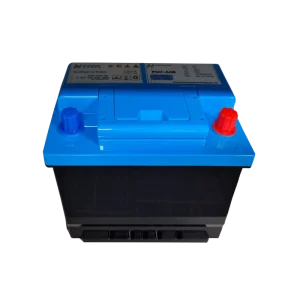
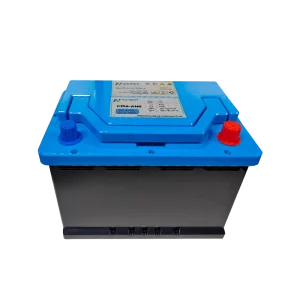
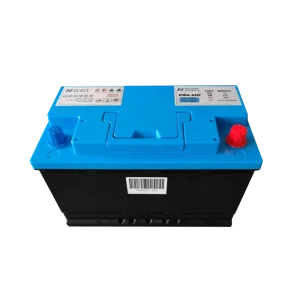
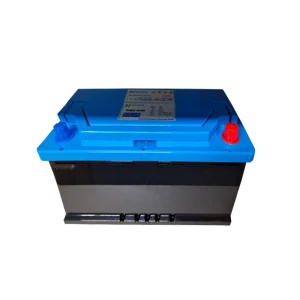
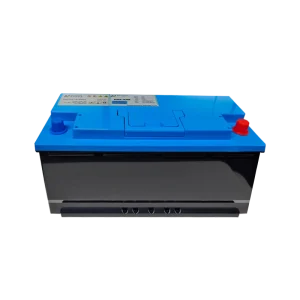
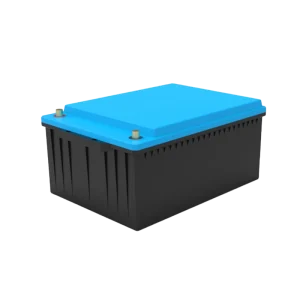
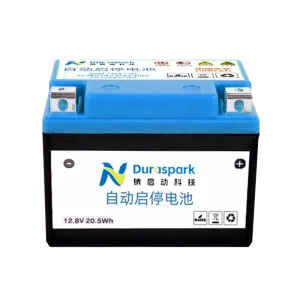
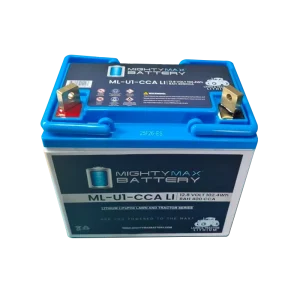
As the commercial vehicle industry continues to advance toward lightweight and energy-saving development, lithium starting batteries are gradually replacing traditional lead-acid batteries and becoming a key upgrade option for an increasing number of vehicles. So why exactly do lithium starting batteries help cut fuel consumption? What tangible benefits can they bring to vehicle operation?
Data shows that lithium starting batteries boast distinct advantages over conventional batteries in terms of weight, charge-discharge efficiency and voltage stability.
I.Vehicle Weight Reduction to Directly Cut Fuel Consumption
Traditional lead-acid batteries are quite heavy, while lithium starting batteries can reduce the overall vehicle weight by approximately 80 kilograms. A lighter vehicle significantly lessens the engine load. Fuel consumption can be effectively lowered, especially during frequent starting, acceleration and long-distance transportation.
For commercial transport vehicles, lightweight design has become an industry trend:
- Lighter curb weight
- Higher available payload capacity
- Improve transportation efficiency
- Reduce comprehensive operating costs
Meanwhile, against the backdrop of increasingly strict overload control regulations, reducing vehicle weight also translates to greater compliance advantages. According to relevant data, China's transportation industry is continuously advancing standardized vehicle management and lightweight development.
II. Higher Charge and Discharge Efficiency to Alleviate Engine Load
Lithium starting batteries feature superior charge-discharge efficiency and support fast high-current charging, capable of being fully charged within one hour.
Compared with conventional batteries:
- Higher energy conversion efficiency
- Less workload on the alternator
- Reduced extra load on the engine
This means the engine does not need to operate under heavy load for a long time to power the battery, thus further cutting fuel consumption.
III. More Stable Voltage Platform to Improve Overall Vehicle Operating Efficiency
Lithium starting batteries feature a higher and more stable voltage platform. Data indicates their operating voltage can reach 26.4V (8 cells in series).
Stable voltage output delivers the following benefits:
- More reliable vehicle starting performance
- Lower current loss
- Reduced load on the engine and power generation system
- Higher efficiency of the vehicle’s electrical system
Simply put, the vehicle runs with less energy strain, which naturally translates to lower fuel consumption.
IV. More Significant Savings in Long-term Operation
The fuel-saving effect is more remarkable for high-mileage commercial vehicles.
Statistics show:
- Average daily mileage of each vehicle: around 1,000 kilometers
- Daily diesel savings: approximately 15 to 20 liters
- Based on a diesel price of about 5 yuan per liter
- Annual operating cost savings: roughly 27,000 yuan
This represents a substantial long-term profit for logistics fleets and long-distance transportation businesses.
V. Extra Value Beyond Fuel Savings
Lithium starting batteries offer far more advantages than merely cutting fuel consumption:
1. Longer service life
Lithium batteries have a service life of 5 to 8 years, vastly outperforming traditional lead-acid batteries.
2.Higher energy density
Data records its gravimetric energy density at 120 Wh/kg.
3.Eco-friendliness
Manufactured with environmentally friendly materials, they support energy conservation and emission reduction, aligning with the development trend of new energy and green transportation.
4.Improved vehicle driving range
The lighter vehicle weight and more efficient electric power management further boost the comprehensive driving range of vehicles.
VI. Existing Drawbacks at Present
Despite the outstanding merits of lithium starting batteries, one practical disadvantage remains:
Relatively high product price
Documents confirm that the upfront procurement cost of lithium starting batteries currently exceeds that of conventional batteries.
Nevertheless, when evaluated from a long-term usage perspective, their outstanding overall economic value stands out thanks to lower fuel expenditure, extended service life and minimal maintenance costs.