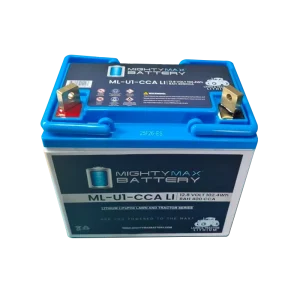
In recent years, the number of cars has continued to grow, and vehicle safety issues have always been the focus of attention of car owners and the industry. As the "first ignition switch" of the car, the safety of the starting battery is directly related to the reliability of the entire vehicle. However, battery fires and even explosions caused by battery aging, improper use or extreme environments are still the "Sword of Damocles" hanging over the industry.
Recently, as the latest national standard "Battery and Battery Pack - Test Method for Performance Testing of Devices to Reduce Explosion Hazard of Lead-acid Batteries for Starting" (Plan Number: 20240588-Z-604) has entered the formulation stage, the safety performance of automobile starting batteries has once again been pushed to the forefront of the industry.
Battery catches fire, what’s the root cause?
In the complex environment of the car engine compartment, the starting battery faces multiple tests of high temperature, vibration and electrical load. Once an abnormality occurs internally, it can easily lead to serious accidents. Battery fires or explosions are usually caused by the following four major causes:
Internal gas accumulation and short circuit: Traditional lead-acid batteries produce hydrogen and oxygen during the charging process. If the vent hole is blocked, the gas cannot be discharged and an explosion will occur if it encounters an open flame. In addition, the electrode active material falls off and causes an internal short circuit, which can also cause a sudden rise in temperature.
External electrical system abnormality: Improper matching of the generator and battery, or short circuit caused by aging wire harness, are the main external factors causing fires. There have been cases where vehicles spontaneously ignited while charging due to a short circuit at the positive terminal of the battery.
Extreme environments and improper use: High temperature exposure accelerates the aging and deformation of the casing; failure to charge in time after excessive discharge in severe cold areas will cause the electrolyte to freeze and expand. Continuously starting the motor for a long time will also cause the temperature of the electrolyte to rise rapidly and produce a large amount of gas.
Thermal runaway of the battery itself: Some early lithium battery solutions lack stability in high temperature and vibration environments. When internal stress accumulates in the metal hard shell design, it may cause bulging or even thermal runaway.
Increased national standards to curb risks from the source
In order to deal with potential safety hazards, the country is accelerating the construction of a standard system. According to the National Standards Information Public Service Platform, my country has launched the formulation of new guiding technical documents. This standard is equivalent to the IEC international standard and aims to standardize the performance inspection and test methods for starting lead-acid batteries to reduce the risk of explosion.
The core of this standard is to establish a unified method to accurately detect the release of hydrogen and oxygen during the charging and discharging process of the battery, and to verify the explosion-proof capability of the battery from the design source. This indicates that my country's safety requirements for starting batteries are gradually in line with the highest international standards.
Sodium-lithium technology reshapes security boundaries
In the context of traditional lead-acid batteries facing pressure to upgrade standards and some lithium battery solutions having the potential for thermal runaway, breakthroughs in new material technology have brought fundamental solutions to the safety of starting batteries.
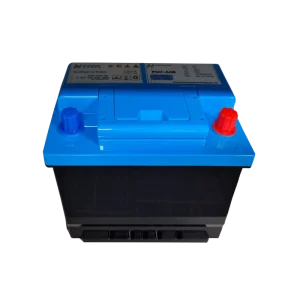
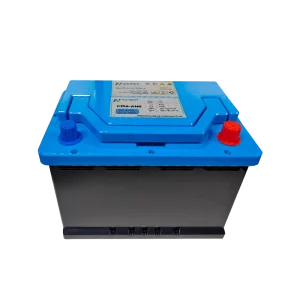
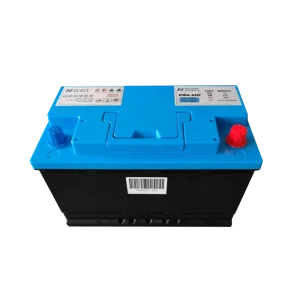
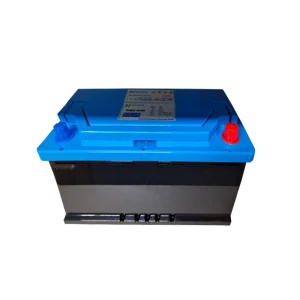
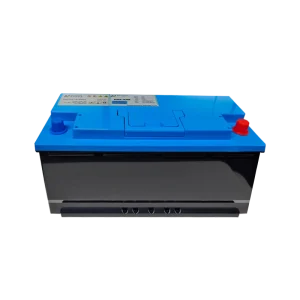
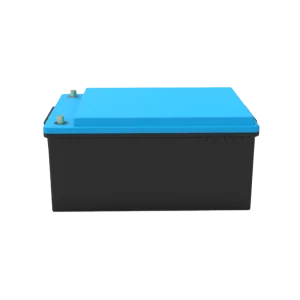
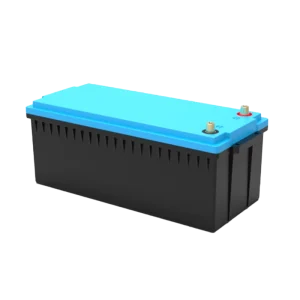
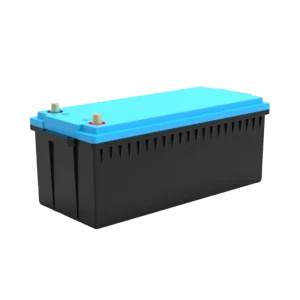
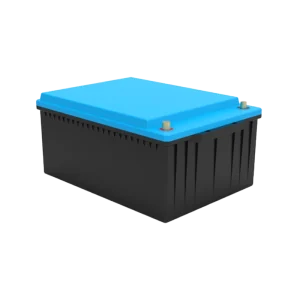
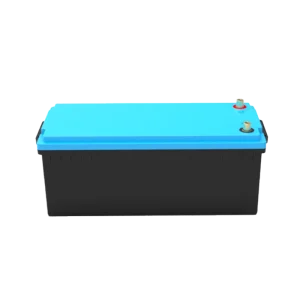
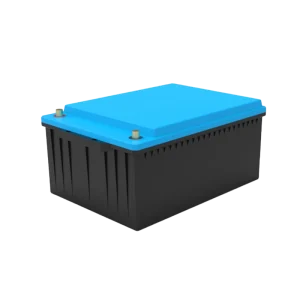
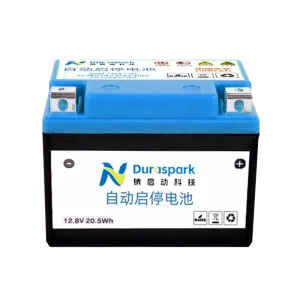
Shenzhen Nastart Technology Co., Ltd.It is a high-tech enterprise with more than 20 technology patents, specializing in the research and development and manufacturing of starting batteries. The company is deeply involved in the research and development of sodium battery (lithium battery) battery pack technology and battery management system (BMS). Its products are widely used in cars, trucks, buses and various engineering machinery fields.
Compared with traditional lead-acid batteries, sodium-lithium starting batteries from sodium start-up technology have achieved a qualitative leap in safety:
High rate discharge, easier to start: Taking the P254-D model for trucks as an example, the instantaneous current is as high as 1600A, far exceeding the discharge capacity of traditional lead-acid batteries, ensuring that it can still start stably in severe cold or low battery conditions, and reducing the risk of overheating caused by long-term starts.
Intrinsically safe, preventing thermal runaway from the source: The company uses advanced battery grouping technology and intelligent BMS management system to monitor the status of each battery cell in real time, effectively preventing overcharge, overdischarge, short circuit and overheating, and fundamentally avoiding the risk of fire caused by internal short circuit or thermal runaway of traditional batteries.
Full scene coverage, adaptable to national standard upgrades: Products cover 12V and 24V voltage platforms, with capacities ranging from 27Ah to 135Ah, meeting the needs of all scenarios from cars to heavy trucks. Its stable chemical system and strict process control perfectly meet the stringent requirements of the new national standard for explosion-proof performance.
Conclusion
From the explosion-proof vent design of early lead-acid batteries to the international integration of national standards today, to the zero thermal runaway technology of sodium-lithium starting batteries led by sodium starting technology, the safety of automobile starting batteries is undergoing a profound change.
Shenzhen Na Startup Technology Co., Ltd. will continue to adhere to the business philosophy of "quality first, technological innovation" and use more than 20 patented technologies as the cornerstone to continue to create more cost-effective and safer starter batteries for global users, making every vehicle start with more peace of mind.